The unexpected road hazards most drivers completely ignore
Expert hazard recognition and assessment isn’t easy, but it is rewarding, as Ripley explains
Risk assessment is a vital element of high-performance driving. If we are aware of the hazards that surround us every time we get behind the wheel, we can adapt how we drive to minimise the danger, making the journey safer for us and potentially for others too.
A crucial element in building towards the evo Standard, therefore, is to develop the skills of visual scanning, hazard recognition and reaction planning. Our observational scanning abilities become our ‘risk radar’, identifying potential danger as early as possible, giving us maximum time to analyse the threat and respond in a considered fashion.
> How to heel and toe: the motorsport technique for smooth manual downshifts
Many new drivers will have a limited capacity for managing risk, and even experienced drivers often don’t appreciate the importance of continually developing such skills to avoid ‘surprises’ when driving. Yet understanding the types and levels of risk, and how to implement preventative actions, is invaluable to making safe progress.
In a nutshell, road risks include any hazard or circumstance that increases the likelihood of a near-miss situation or a collision. These risks vary in their severity and can arise from multiple sources. Some can even be addressed before you set off: vehicle-related risks are often overlooked, but poor maintenance can increase the chances of mechanical failure, potentially at the most inopportune moment.
Once out on the road, there are numerous factors to consider. Environmental risks are among the easiest to identify. Weather can bring compromising conditions such as rain, snow, ice and high winds. Poor visibility can be an issue during night driving, or where there’s sun glare or fog. Road-surface conditions also need to be monitored: Is the asphalt wet? Are there potholes? Is there loose gravel?
Less predictable are the risks posed by humans. How might other drivers put you at risk? Inexperience or a general indifference to driving; distracted driving through phone use, eating or adjusting controls; fatigue or drowsy driving; impaired driving via alcohol or drug abuse or medication; speeding; aggressive driving such as tailgating or road rage… The list is endless.
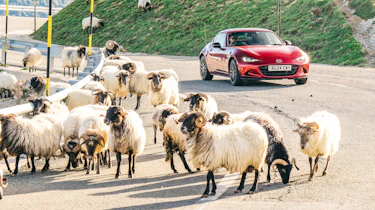
In addition to other drivers, there are pedestrians to consider, especially children and the elderly. Then you have cyclists and motorcyclists, which could be harder to see. Animals and their unpredictable movements are another thing to be prepared for, especially in rural areas and more so at night on unlit roads.
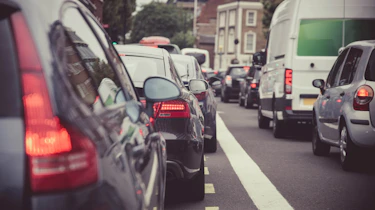
We can place all these risks on a scale from ‘potentially dangerous’ to ‘actual threats to our safety’. Low-level risks, such as light rain or moderate traffic, are easily managed if handled properly. Medium risks include conditions or behaviours that require increased attention and speed adjustment, such as heavy traffic, night driving or driving on unfamiliar roads. Higher-level risks need complete avoidance or urgent action, such as icy roads, impaired driving, or high-speed traffic collisions. Be prepared to adjust to changing conditions and have a commitment to safe behaviours at all times by knowing your own limitations. If in doubt, don’t risk it.
Road risk can never be completely eliminated, only managed. However, by understanding the risks and consistently applying prevention strategies, a high-performance driver can significantly reduce the likelihood of incidents, making their journeys not only safer but also more enjoyable.
This story was first featured in evo issue 340.