2026 VED car tax: what you'll be paying
The latest car tax changes explained, including new pricing for EVs and hybrids and increased prices for higher-emission vehicles

The rules around Vehicle Excise Duty (VED), often misidentified as road tax, are changing at pace, with the increasing popularity of electric and hybrid cars as well as shifting political winds, the engines of that change. What will EV buyers be paying? What is the ‘expensive car supplement’? Will PHEVs get more expensive because of new tests? To help clarify all of this and ascertain exactly what you should be paying, we delve into the details.
Expensive car supplement explained
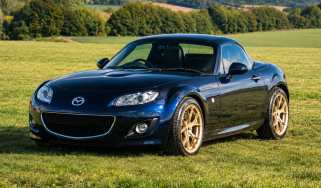
The ‘expensive car supplement’ is an additional tax to be paid yearly for the first five years of ownership by the owners of petrol, diesel and hybrid cars costing over £40,000 to first register. It’s set to rise to £440 from £425 per year, from April 2026. As an example, the Volkswagen Golf GTI is now over the ECS threshold, whereas all versions of the Mazda MX-5 remain under it.
> Cat A, B, S and N cars: insurance write-off categories explained
PHEV car tax changes – new emissions tests, more expense?
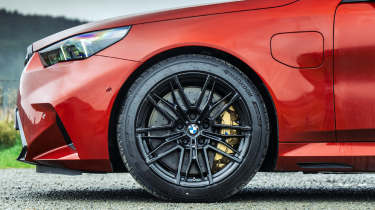
First-year and owner VED for cars that emit between 1-50g/km of CO2 jumped from £10 to £110 from April 1 2025, while 51-75g/km emitters jumped from £30 to £135. All prices are set to rise again incrementally in 2026 in line with the retail price index.
It’s also worth noting that the way CO2 output and MPG is tested has changed to Euro 6e-bis standards, extending testing for PHEVs from 497 miles to 1,367 miles, which incorporates a lot more combustion-only (battery-depleted) running. Stated CO2 figures from the new tests are therefore higher compared to what they were before. As an example, that means a G90 M5 moves from the 1-50g/km band, to the 101-109g/km band (the Touring to the 111-130g/km band), the Bentley Continental GT from the 1-50g/km band to the 91-100g/km band. Generally, most PHEVs will jump a band or two because of the new tests.
An ‘easement’ will be granted by the government for company car buyers. All PHEVs bought as company cars between 1 January 2025 and 5 April 2028 that are amended to a 50g/km+ figure after updated testing, will be kept in the lowest class for the benefit of BIK. This will save buyers who bought PHEVs in good faith from a sudden rise in benefit in kind tax costs for the time being.
Electric and PHEV eVED from April 2028: Pay per mile looms
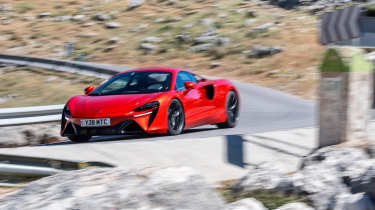
The UK Government has announced it will introduce a new electric VED system from April 2028 that will be an additional charge on top of the standard VED rate, paid at a rate of 3p per mile for fully electric cars and 1.5p per mile for plug-in hybrids.
Yes, that means the Ferrari 296, Lamborghini Revuelto, McLaren Artura, Bentley Continental GT and more PHEV performance and premium cars will incur the cost, which will equate to £120 per 8000 miles covered, if it goes ahead in two years' time. How it is to be implemented is yet to be decided.
Electric car tax changes 2026 – ‘expensive car supplement’ threshold raised
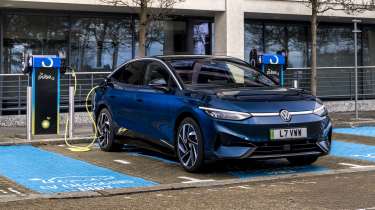
For 2025, the so-called expensive car supplement was brought back for EVs, returning after being scrapped in 2020, lumping more expensive EVs with a £425 (rising as above soon) bill per year cost for its first five years of registration. However from 1 April 2026, that threshold is set to be raised for EVs only, from £40,000 to £50,000. That means RWD variants of the Tesla Model Y, which starts from £41,990 in the new ‘standard’ form, rising to £48,990 with a long-range battery, escape it.
All Alpine A290s fall well short, as does the Abarth 600e, Alfa Romeo Junior Veloce and Vauxhall Mokka GSE. So too will Peugeot’s e208 GTi when it arrives later this year. The Cupra Tavascan, Volkswagen ID.3 and ID.4, Ford Explorer and Capri all start under the threshold too but be careful on the configurator. The likes of the Polestar 4 are over the threshold, at £50,750 (discounted from £55,750). The Alpine A390 gets nowhere near, nor does Porsche’s Macan EV. Over five years, cars under the threshold will net buyers a saving of over £2125 in yearly VED costs.
EVs registered on or after April 1 2025 are be liable for a first-year rate of £10 before moving on to the £195 yearly rate (set to increase to £200 from April 1 2026) later on. The benefit in kind rate for electric company cars will rise from 3 per cent to 4 from 6 April 2026, too. Drivers of all electric vehicles registered between 1 April 2017 and March 3 2025 are from April 2025 liable for a £195 standard yearly rate (set to increase to £200 from 1 April 2026), while older EVs (pre-April 2017) will sit on a £20 standard yearly rate.
VED tax bands: 1 April 2025 - 1 April 2026

Emissions-dependent rates apply to cars registered between March 2001 and April 2017 and these rise with inflation every year. The major change otherwise for 1 April 2025 onwards was as above, the lumping of low and zero emission cars from before April 2017 into the £20 bracket.
The figures below are accurate as of February 2026 with the yearly rise coming in April 2026 in line with the retail price index – what was a £195 bill will rise to £200 as an example but precise first registration fees and yearly tax costs for cars across the CO2 bands are TBA. If you can sort your yearly tax in March of any given year, there are modest savings to be made.
This table also does not account for the ‘expensive car supplement’, which applies to any car priced at over £40,000 (or EV priced over £50,000) from new that’s less than five years old.
| CO2 emissions (g/km) | New cars (From 01/04/25) | Second year onwards (2017-) | CO2 emissions (g/km) | Cars registered March 2001 - April 2017 |
|---|---|---|---|---|
| 0g/km | £10 | £195 | ||
| 1 to 50g/km | £110 | £195 | Up to 110g/km | £20 |
| 51 to 75g/km | £130 | £195 | 111 to 120g/km | £35 |
| 76 to 90g/km | £270 | £195 | 121 to 130g/km | £160 |
| 91 to 100g/km | £350 | £195 | 131 to 140g/km | £190 |
| 101 to 110g/km | £390 | £195 | 141 to 150g/km | £210 |
| 111 to 130g/km | £440 | £195 | 151 to 165g/km | £255 |
| 131 to 150g/km | £540 | £195 | 166 to 175g/km | £305 |
| 151 to 170g/km | £1360 | £195 | 176 to 185g/km | £355 |
| 171 to 190g/km | £2190 | £195 | 186 to 200g/km | £385 |
| 191 to 225g/km | £3300 | £195 | 201 to 225g/km | £415 |
| 226 to 255g/km | £4680 | £195 | 226 to 255g/km | £710 |
| Over 255g/km | £5490 | £195 | Over 255g/km | £735 |
2025 changes: VED doubled for 76g/km+ CO2 cars, including some hybrids

For cars producing over 76g/km of CO2 – that’s most new higher-end performance cars that aren’t hybrids – first-year rates doubled compared to 2024. That also goes for smaller battery, lower-range high-performance hybrids, like the McLaren Artura, Ferrari 296 GTB which sit in the 100-200g/km ballpark. Cars emitting over 255g/km – hybrid or not – lumped their first owners with an extra £2745 cost from 1 April 2025.
The number of hybrids that are in higher brackets is as above, set to increase, under new testing rules. The AMG GT E-Performance jumps to 241g/km (just below the top bracket), the BMW M5 to over 100g/km, the Bentley Continental GT to over 90g/km and the Lamborghini Revuelto to 350g/m. The latter was already in the top bracket so... no change in cost bar the inflation-related rise. The non hybrid AMG GT63 S, by comparison to the hybrid, still gets nailed, racking up the full £5490 (plus ECS) first reg’ bill thanks to its 319g/km rating.
While the new 911 GT3 sits firmly in the top band, the new range of 911 Carreras (including the GTS T-Hybrid) are just under the threshold. The new 911 Turbo S T-Hybrid however, does sit in the top band.
Most high-performance cars that still retain a purely internal combustion powertrain saw their prices double in 2025 compared to 2024, even if not on the maximum rate. The BMW M3, which is not a hybrid, narrowly escapes the top band with a maximum CO2 figure of 235g/km – just 20g/km below the threshold.
Hot hatches, from the (dearly departed) Honda Civic Type R and Ford Focus ST to the (happily still here) VW Golf GTI Clubsport, if registered from 1 April 2025, carried a £2190 cost before the first mile was covered. While the Clubsport only just strays into that £2190+ band at 171g/km, the standard GTI, which produces just 162g/km of CO2, costs ‘just’ £1360+ in VED at first registration. The Toyota GR Yaris, which produces 215g/km, landed buyers with a £3300 cost to register on or after 1 April 2025. Likewise the Audi RS3, which falls into the same bracket.
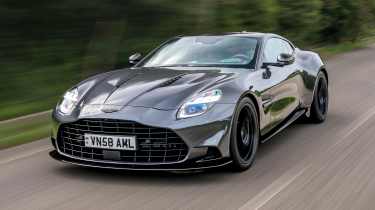
Aston Martin’s entire range of GT cars and SUVS – from the Vantage to the DB12, Vanquish and DBX S – are all in the top £5490 bracket. It's the same story for Ferrari's non-hybrid models. The Maserati MCPura and combustion-powered GranTurismos are only just caught in the highest band, with figures in the 260-280g/km range. Somewhat suspiciously, the excellent 108g/km figures for the McLaren Artura are yet to be updated so it's still in a relatively low bracket. The McLaren 750S and GTS are only just in the top bracket.
Performance car tax April 2025 - April 2026 representative examples
Here are some of the above examples collated into a table. Remember, most of these will incur the expensive car supplement on top of their VED cost, payable for the first five years. The below figures are payable only at first registration, with a flat rate (that increases every year) plus the ECS, payable a year later.
| Car | CO2 | First year VED |
|---|---|---|
| BMW M5 | 106g/km | £390 |
| Bentley Continental GT | 93g/km | £190 |
| McLaren Artura | 108g/km | £390 |
| Mazda MX-5 RF 2.0 | 153g/km | £1360 |
| Volkswagen Golf GTI | 162g/km | £1360 |
| McLaren 750S | 276g/km | £5490 |
| Mercedes-AMG GT63 S E-Performance | 241g/km | £4680 |
| Volkswagen Golf R | <200g/km | £3300 |
| Toyota GR Yaris | 215g/km | £3300 |
| Audi RS3 | 205g/km | £3300 |
| BMW M3 | <235g/km | £4680 |
| Lamborghini Revuelto | 350g/km | £5490 |
A bit of perspective: taxation on new cars overseas
There has been some publicity around French tariffs that are payable based on the weight of cars heavier than 1600kg. However, there is also a ‘pollution tax’ based on emissions. Assuming you are buying a car for your own use, without dispensation for dependents, disability or the use of E85 (a 40 per cent discount), an eye-watering flat rate of €60,000 is payable on any car that has a WLTP CO2 emissions figure of over 194g/km.
For reference, the Audi RS3, which escapes the 2025 UK hike, clears the 2024 French threshold for a €60k ‘pollution tax’ by just 14g/km. The BMW M3 is in the top class too, though the heavily hybridised cars mentioned above, with CO2 figures under 100g/km (118g/km to be precise), get zilch. They might get tagged by the tax rules around weight, but they’re generally financially preferable to lighter cars without emissions-friendly hybrid tech.
French rules see pollution tax more or less double the figure of the previous tier, for the tier above. For example, 135-139g/km incurs a €510 bill, while 140-149g/km a €983 bill. By comparison, while 160-169g/km incurs a €4279 bill, 170-179g/km incurs a €8770 bill. That goes up to €22,380 for 180-189, and €45,990 for 190-193 before the top level tax kicks in. And remember, these are 2024 rules, with increases possible for 2025. The grass isn’t always greener…
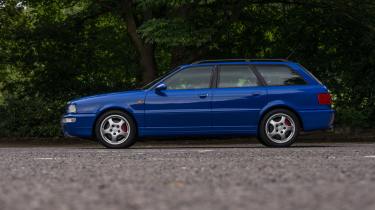
Older and classic car road tax
For cars older than March 2001, car taxation is fairly simple. As of Janury 2025, if your engine is 1549cc or less, it’s £210. If it’s more than 1549cc, it’s £345.
Alongside their old school charm, classic cars also provide the benefit of zero road tax. What’s less widely known is the requirement to apply for a road tax exemption, something that can be granted should your car be 40 years old or more. The process can once again be undertaken on the government website, or at a Post Office.
How to pay car tax
VED can now be paid on the government website. Should you have received a DVLA V11 reminder letter through the post, this can be referenced in the process to speed things along.
Car tax can also be paid at your local Post Office, all you’ll need is your V5C, a valid MoT, proof of insurance and a road tax reminder should you have one. The DVLA also offers a 24 hour phone service that can be accessed 0300 123 4321.